Health Tips
How Manual Therapy Helps Relieve Sciatica and Nerve Pain
A sharp pain shoots from your lower back into your leg. Tingling makes sitting uncomfortable. Your leg even feels weak or unsteady during everyday activities. These symptoms can point to sciatica, a problem involving irritation or pressure on the sciatic nerve. For some patients, manual therapy for sciatica symptoms can be part of a physical therapy plan to reduce discomfort and help restore comfortable movement.
Why Sciatica Can Send Symptoms Down Your Leg
Sciatica isn’t a condition in and of itself.
Read full blogWhy Does My Knee Hurt When I Walk Every Day
Walking should feel simple. Yet each step asks your knee, hip, ankle, and muscles to work together while supporting your body. Knee pain when walking can develop when part of this system has trouble handling that repeated demand. This FAQ explains what physical therapists look for and how treatment may help make walking more comfortable.
Knee pain that shows up every day has a physical explanation worth finding. builds its assessment around finding that explanation specifically for your knee.
Read full blogFinding Knee Pain Relief: Causes, Symptoms, and Treatment Options
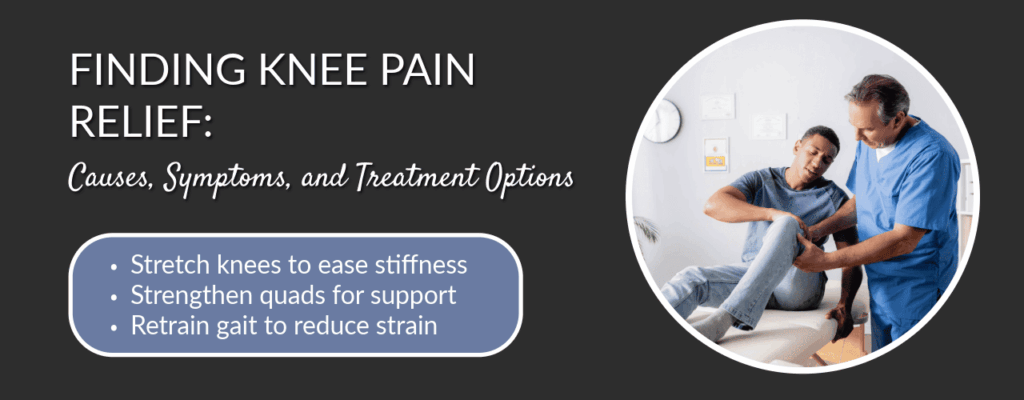
Struggling to walk, run, or stand comfortably due to knee pain? You’re not alone. Whether it’s a dull ache or sharp discomfort, knee pain can interfere with everything from daily chores to weekend activities. Fortunately, knee pain relief is possible with the right approach.
At , we frequently work with patients struggling with knee pain. Fortunately, physical therapy offers a practical, noninvasive approach to reducing pain and restoring knee function.
Understanding Knee Pain
What’s Causing Your Discomfort?
Read full blogWhat You Need to Know About Shoulder Tendonitis and Its Causes
Shoulder pain can disrupt everything from lifting groceries to getting a good night’s sleep. One common culprit is tendonitis in the shoulder, a condition that affects many adults, especially those with active lifestyles or repetitive-motion jobs.
The good news is that physical therapy plays an important role in addressing shoulder tendinitis. To explore this in more detail, the team is answering some of the most common questions we get about this condition. Let’s dive in!
Read full blogHow to Recover from Sprains and Strains After a Sports Injury
Sprains and strains are among the most common injuries athletes face, whether during intense competition or casual play. These injuries can limit mobility, cause pain, and interfere with everyday activities if not treated properly. At , we understand the setbacks these injuries can bring, and we specialize in helping patients rebuild strength, restore function, and return to doing what they love. One patient’s story stands out as a clear example of how the right physical therapy approach can make all the difference in recovering from sprains and strains.
Read full blogPractical Tips and Strategies for Coping with Dizziness
Feeling lightheaded, unsteady, or off balance can interfere with your ability to work, drive, exercise, or even move around safely at home. These symptoms are often caused by inner ear issues, nervous system dysfunction, or musculoskeletal imbalances. Coping with dizziness can be frustrating and confusing, especially if the sensation appears without warning or lingers after an illness or injury. While some people attempt to manage these symptoms on their own, physical therapy offers a structured, evidence-based path to relief and stability.
Read full blogHip Impingement Treatment: How to Reduce Pain and Restore Movement
Hip impingement, also known as femoroacetabular impingement (FAI), happens when abnormal contact between the hip bones causes pain, stiffness, and limited motion. This condition often affects active individuals, especially those involved in sports or repetitive hip movements. The good news is that with a structured approach to hip impingement treatment, many people find long-lasting relief and improved mobility. At , our physical therapy programs are designed to reduce discomfort, improve joint mechanics, and help patients return to the activities they enjoy.
Read full blogShoulder Pain Relief: Causes and Non-Exercise Solutions
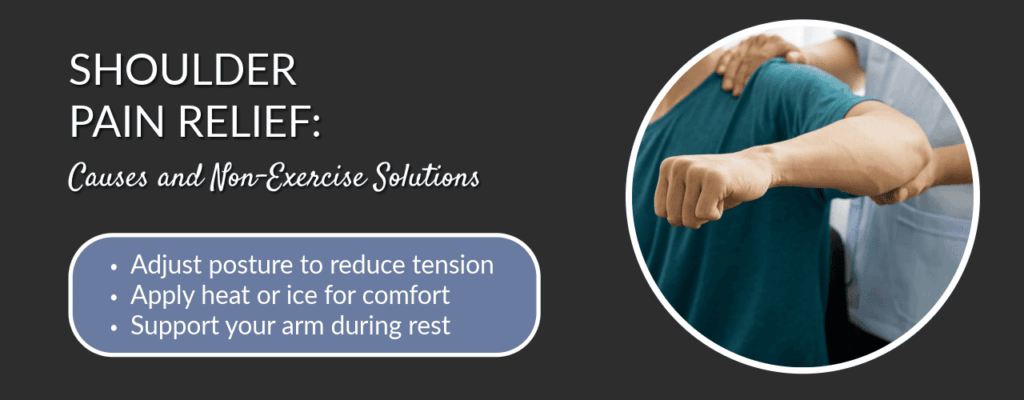
Shoulder pain can make simple tasks like reaching overhead, getting dressed, or even sleeping uncomfortable. Many people experience this pain without a specific injury, often from posture, repetitive use, or muscle strain. Fortunately, there are ways to find shoulder pain relief that do not involve exercise. At , we support recovery using practical, hands-on care and non-exercise strategies to help you feel better and regain daily comfort.
What Causes Shoulder Pain Without a Major Injury?
Read full blogTop 5 Most Common Sports Injuries and How to Avoid Them

Whether you’re a hardcore athlete or just someone who wants to stay active on the weekend, sports injuries can strike when you least expect them. Worse, these injuries can impact your quality of life, derail your progress, and may require weeks or months of recovery.
That’s why, at , we believe that understanding the most common types of sports injuries and how to prevent them is key to staying healthy and active.
Sports Injuries to Watch Out For
1.
Read full blogManual Therapy vs. Massage Therapy: What’s the Difference?

If you’ve ever had aches, stiffness, or an injury, chances are someone recommended either manual therapy or massage therapy. While both involve hands-on techniques and can ease pain, their purposes and applications differ. Understanding the difference between the two helps patients make informed choices about their care. Below, we’ll break down manual therapy vs massage therapy to help you understand which approach may be right for your situation.