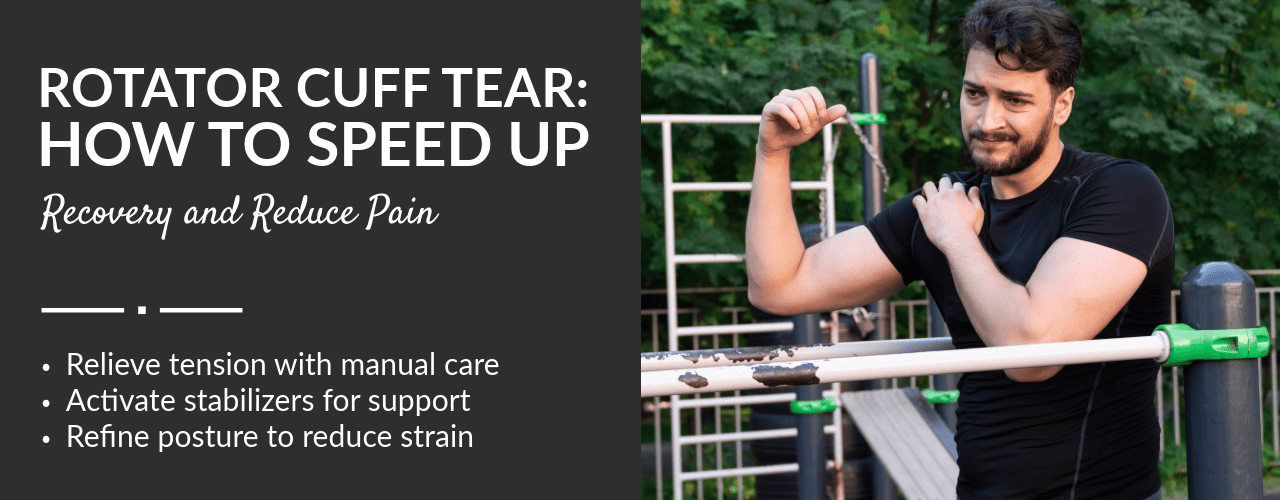
A rotator cuff tear can limit shoulder movement, cause ongoing pain, and interrupt daily activities like reaching overhead, dressing, or lifting light objects. At Edge Physical Therapy, our physical therapists specialize in restoring function after this type of injury. This case study shows how rotator cuff tear recovery progressed from painful limitations to restoring strength and mobility with consistent therapy and a personalized care plan.
Shoulder Trouble That Wouldn’t Go Away
Our patient, Sherry, came to Edge Physical Therapy after several weeks of shoulder pain that started after helping a family member move. The pain worsened with lifting, reaching, and sleeping on her affected side. An MRI confirmed a partial rotator cuff tear. Sherry was frustrated, unsure if surgery would be needed, and eager to avoid making the injury worse.
She had stopped exercising, avoided many household tasks, and lost confidence in her ability to use her shoulder without causing more damage.
Building a Better Plan for Rotator Cuff Tear Recovery
At Sherry’s first appointment, we performed a detailed assessment. Her shoulder had limited active range of motion, visible muscle guarding, and tenderness near the supraspinatus tendon. Our goal was to reduce pain, restore function, and avoid surgical intervention. Her treatment focused on a customized rotator cuff tear recovery plan designed to:
- Improve shoulder mechanics
- Rebuild strength in supporting muscles
- Promote safe movement
- Prevent compensations that could delay healing
Sherry committed to therapy twice a week and followed her home exercises closely.
From Stiffness to Strength: Treatment Strategies That Worked
Sherry’s therapy included:
- Manual therapy to relieve tension in her upper traps and improve mobility in the shoulder capsule
- Targeted strengthening for her rotator cuff and scapular stabilizers using resistance bands and bodyweight
- Neuromuscular retraining to help her engage the correct muscles while avoiding overuse of larger, compensatory ones
- Postural training to reduce shoulder impingement during everyday movements
- Education to help her modify activities safely while maintaining her independence
As her pain decreased, we gradually added more dynamic movement patterns and loaded exercises to rebuild strength.
The Turning Point: How Function Came Back
By week six, Sherry reported less night pain, greater ease dressing, and fewer flares during daily tasks. She regained full active range of motion and began light resistance training without discomfort. Her strength scores improved by over 40 percent in key shoulder tests. These measurable gains helped boost her confidence and supported a safe return to her usual routine.
Her final sessions included functional movement training to mimic activities like lifting groceries and carrying laundry baskets. She no longer feared re-injury and was cleared for full activity with ongoing self-maintenance exercises.
Shoulder Recovery Without Surgery: A Successful Outcome
Sherry’s story highlights how rotator cuff tear recovery can be successful with the right therapy and consistency. She avoided surgery, regained mobility, and returned to an active lifestyle. She also learned strategies to protect her shoulder from future injuries.
At Edge Physical Therapy, we believe education, hands-on care, and tailored strength work make a lasting difference in outcomes like Sherry’s.
Your Path Forward Starts Today
If you are dealing with shoulder pain or recovering from a rotator cuff injury, Edge Physical Therapy is here to help. Our therapists create detailed recovery plans based on your goals and physical needs.
Rotator cuff tear recovery is possible with the right support. Contact Edge Physical Therapy today to start your journey back to strength and comfort.